
Does Renters Insurance Cover Mold Damage?
Does renters insurance cover mold damage? It’s a common and important question, especially for renters in humid climates like Ocala, FL, where mold can develop quickly after water damage or storms. Understanding when renters insurance is helpful and when it isn’t can make the difference between a manageable cleanup and an expensive, stressful situation.
If you ever discover mold after water or storm damage, don’t wait. Contact Chisel Restoration for expert assessment and fast mold remediation in Ocala, FL. Check out our Google Business Profile here.
Understanding Mold Damage and Renters Insurance
Mold is a type of fungus that thrives in damp, warm, and poorly ventilated areas. It spreads quickly, causing stains, odors, and potential health issues like allergies and respiratory irritation. In Florida, where humidity levels are naturally high, mold can appear almost anywhere, behind drywall, under floors, or inside HVAC systems.
Renters insurance is designed to protect tenants from losses caused by specific events, often referred to as “covered perils.” These typically include fire, theft, vandalism, or sudden water damage from plumbing leaks. However, mold coverage isn’t always straightforward.
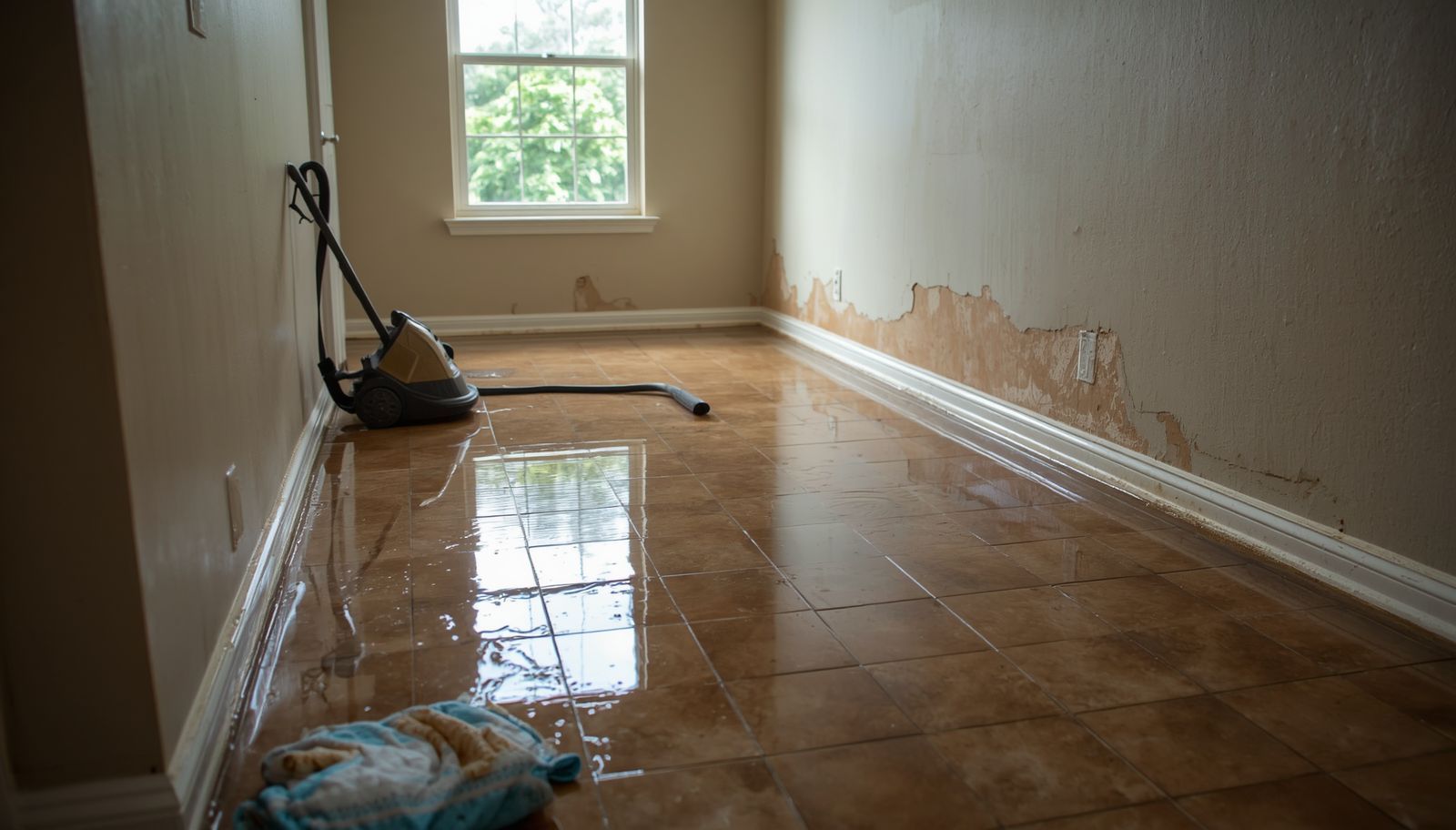
Most standard renters' insurance policies only cover mold if it results from a covered peril. For example, if a pipe bursts suddenly and water damages your walls, any resulting mold growth could be covered. But if mold forms over time because of poor ventilation or ongoing leaks, insurance companies often deny those claims.
When Renters Insurance Covers Mold
Renters' insurance may cover mold cleanup and damage if the mold is a direct result of a covered event. Here are a few common examples:
- Sudden and accidental water damage: If a pipe bursts, an appliance overflows, or your neighbor’s unit floods yours, the mold that grows from that incident may be included under your renters' policy.
- Fire suppression: Water used to extinguish a fire can cause moisture buildup, leading to mold. In many cases, this type of secondary damage is covered.
- Storm-related water intrusion: Some renters' insurance policies may cover mold if it results from rain entering through storm-damaged windows or roofs, but only if the cause was sudden and accidental.
The key factor is timing and cause. If the damage occurs suddenly and you take quick action to report and mitigate it, you’ll have a stronger case for coverage. Always document everything, take photos, keep receipts, and notify both your landlord and insurance provider right away.
In some cases, insurance companies also offer mold remediation caps, which limit how much they’ll pay for mold cleanup, usually ranging from a few thousand dollars. While that might help offset costs, serious mold infestations often require professional mitigation to prevent regrowth and structural damage.
When Mold Damage Is Not Covered
Unfortunately, renters' insurance often does not cover mold that develops slowly or due to neglect. Here are a few examples of situations that likely won’t be covered:
- Ongoing leaks that weren’t reported promptly
- High indoor humidity from poor ventilation or not using exhaust fans
- Condensation buildup due to tenant negligence
- Flooding from rising water, which typically requires separate flood insurance
If mold results from long-term moisture or lack of maintenance, the insurer will likely deny the claim. In these cases, renters are expected to maintain a reasonable level of care in their living space, such as cleaning, running dehumidifiers, and promptly reporting leaks.
This can be especially tricky for renters since landlords are responsible for maintaining the property structure, while tenants are responsible for day-to-day care. If your landlord ignores a leak or fails to fix water damage, you should document your communications in writing. This can be crucial if you need to prove you acted responsibly in preventing mold growth.
How to Protect Yourself from Mold Costs
Even if your renters insurance doesn’t fully cover mold damage, there are steps you can take to protect yourself financially and physically.
1. Prevent Moisture Buildup
Prevention is always cheaper than cleanup. Run fans in the bathroom and kitchen, keep windows open when possible, and use a dehumidifier during humid months. Check for condensation on windows and pipes, small signs that moisture may be accumulating where mold can grow.
2. Report Leaks Immediately
The sooner a leak is fixed, the better. Report any plumbing issues or roof leaks to your landlord in writing as soon as you notice them. If repairs are delayed, follow up and document everything.
3. Document Water and Mold Damage
If you do find mold, take pictures and videos before you clean anything. This evidence is essential for insurance claims and landlord disputes.
4. Consider Mold Endorsements or Riders
Some insurance providers allow you to add mold coverage as an optional endorsement for an additional cost. If you live in a humid region like Ocala, FL, this small upgrade could save you thousands of dollars later.
5. Work with a Professional Restoration Company
Even a small patch of mold can spread quickly if not handled correctly. A professional team like Chisel Restoration has the expertise and equipment to safely remove mold and prevent it from returning. DIY cleanup methods often fail to address hidden moisture and can actually spread mold spores throughout your home.
Why Choose Chisel Restoration for Mold Remediation in Ocala, FL
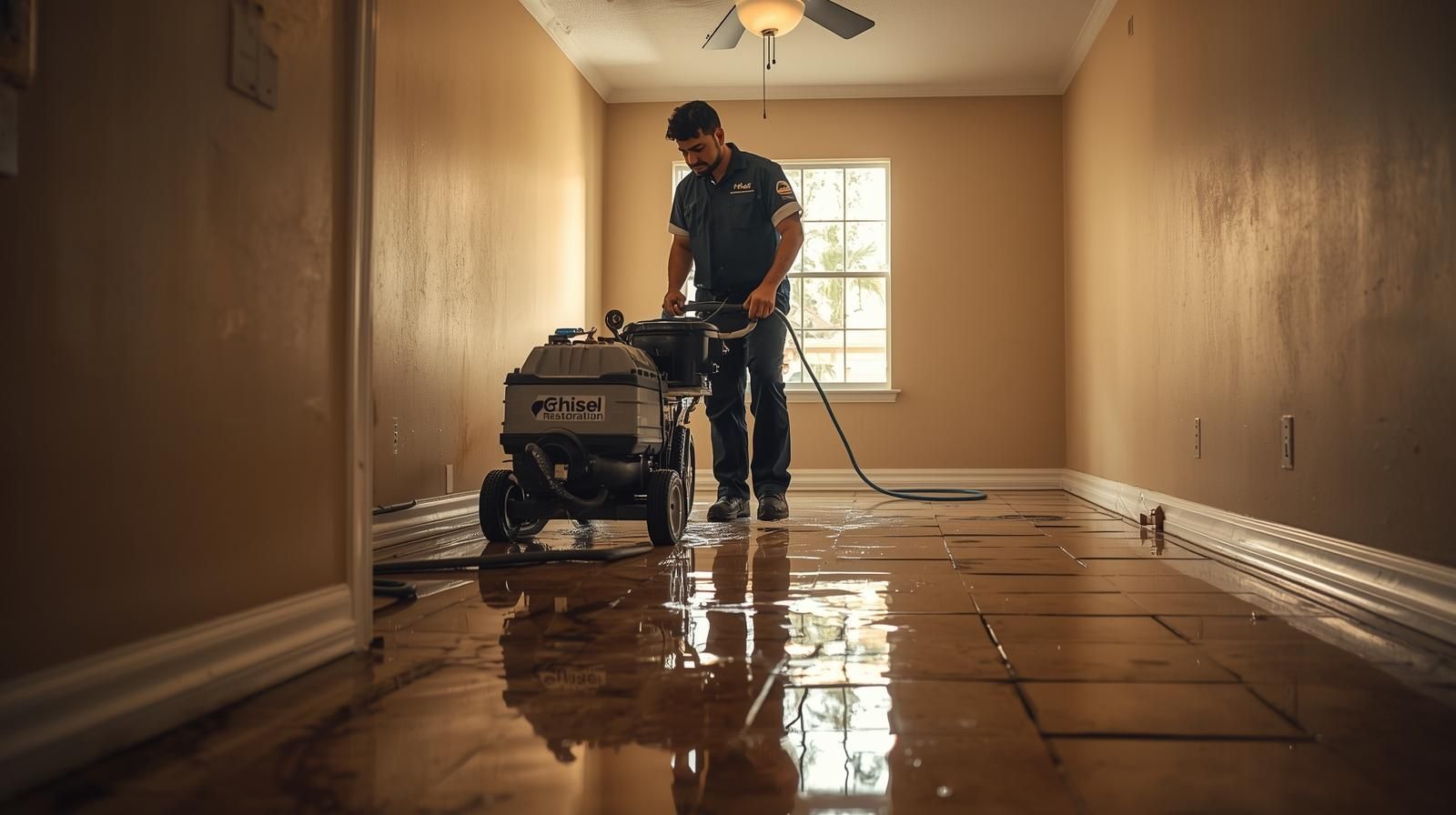
At Chisel Restoration, we specialize in water, mold, hurricane, and storm damage mitigation throughout Ocala and the surrounding areas. Our licensed professionals use advanced drying and mold removal technology to restore your property quickly and safely.
We understand how stressful it can be to deal with mold after water damage, especially when you’re unsure whether your insurance will cover the costs. That’s why we offer free inspections and honest assessments, no unnecessary upsells or hidden fees.
If you’re a renter dealing with mold, our team can guide you through the insurance claim process, work with your landlord or property manager, and ensure your home is clean, safe, and livable again.
FAQs About Renters Insurance and Mold
1. Does renters insurance cover mold from a leaky roof?
It depends on the source of the leak. If the roof damage was caused by a sudden, covered peril like a storm, your renters' insurance may help cover the resulting mold damage. However, if the leak existed for months and wasn’t repaired, the claim may be denied.
2. Can renters insurance cover mold from hurricane or storm damage?
Sometimes, yes. If mold forms as a result of rain or wind-driven water entering through storm damage, it might be covered. But flooding caused by rising water typically requires a separate flood insurance policy.
3. Can I get additional mold coverage with my renters insurance policy?
Yes, many insurers offer optional mold coverage or endorsements. These add-ons can increase your coverage limit for mold-related claims and help reduce out-of-pocket costs.
4. What should I do if my landlord refuses to fix a mold problem?
Document everything, take photos, send written notices, and keep copies of all communication. If the issue continues, contact local housing authorities or seek legal advice. Mold issues can affect your health and may violate housing codes.
5. Will filing a mold-related claim raise my renters insurance premium?
It might. Any claim can influence future premiums, depending on your insurer’s policies and the size of the payout. However, if the damage is significant, filing a claim may still be worth it to offset costs.
Take Action Before Mold Becomes a Bigger Problem
Mold spreads quickly and can cause lasting damage if ignored. Whether your renters insurance covers it or not, taking early action can save you time, stress, and money.
For renters in Ocala, FL, who notice mold after a storm, leak, or flood, call the trusted professionals at Chisel Restoration. Our team will inspect, remediate, and restore your property so you can breathe easy again.
Don’t wait for mold to take over your home. Contact us today for expert mold remediation and damage restoration services.